3Stoop 3, Queens County
Interior Renovation in Queens
Renovation for attached brick houses, detached homes and large apartment buildings, from Astoria to Forest Hills.
Renovation in Queens
Queens mixes detached houses, attached rows and large apartment buildings. The Census Bureau's 2024 American Community Survey counts 873,479 occupied homes in Queens County: 388,097 owned and 485,382 rented, so 56 percent of households rent. Among 922,890 housing units, 169,316 are detached one-unit homes and 89,943 are attached one-unit homes, while 212,783 sit in buildings of 50 or more units. The median year Queens homes were built is 1954.
That mix means two kinds of renovation. On a house, the owner decides the scope, the sequence and the finishes, and a project can cover several floors, a finished basement or a kitchen and bath addition to the layout. In a large building, the building's rules set the working hours, the delivery path and the approvals. We plan each type differently: a house gets a floor-by-floor scope, while an apartment gets a scope tied to the building's alteration rules.
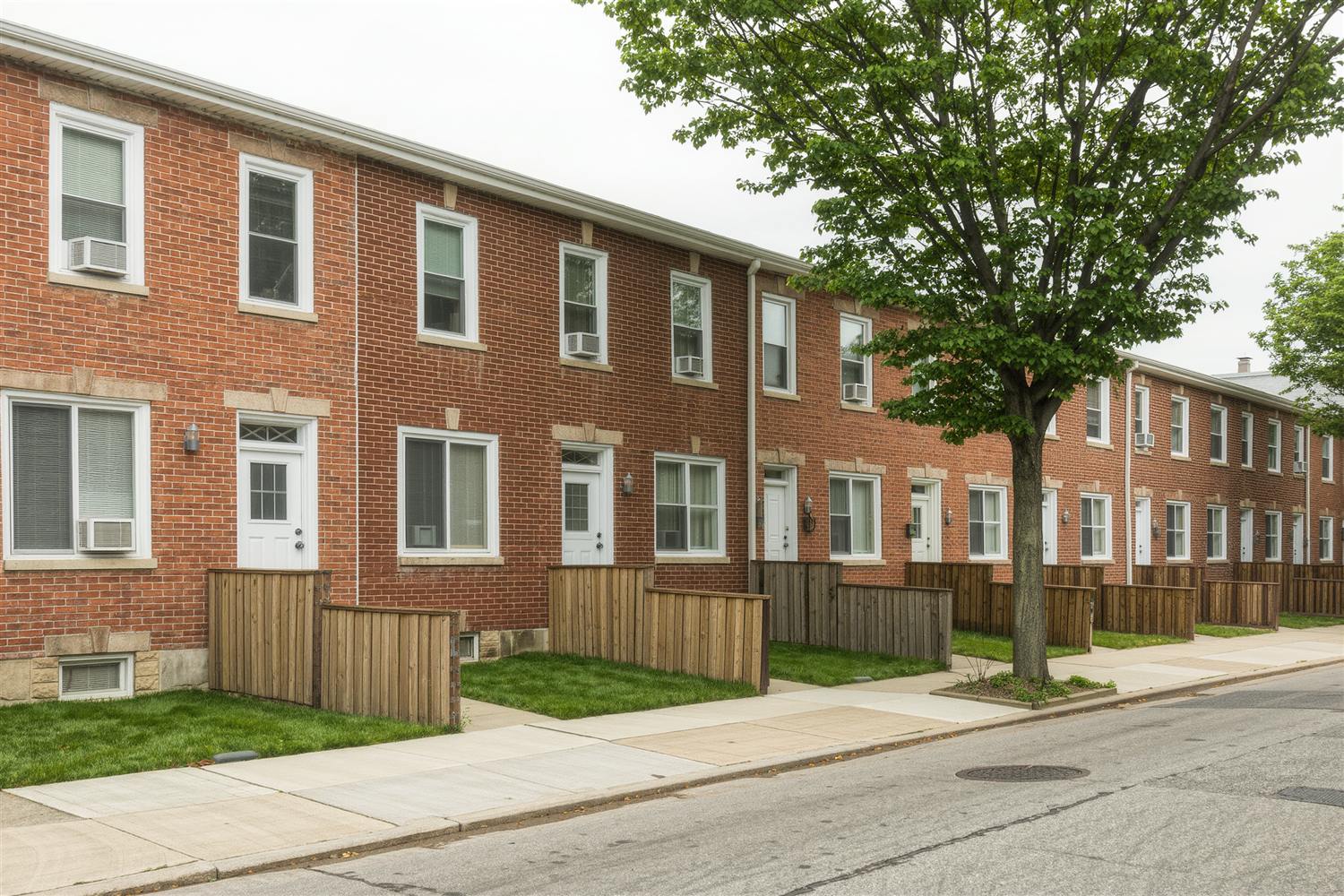
Attached brick houses, the row of two-story homes with front steps and a narrow yard, are a common Queens type. They often have a kitchen at the back, a bathroom between the bedrooms and a basement. Renovation works with the fixed lines of the house: the party walls, the stair and the plumbing stack. The best results come from keeping the stack where it is and rebuilding the rooms around it.
The result we plan for is a home that works better for the household that lives there: a kitchen with usable counter space, a bathroom with new tile and fixtures that do not leak, floors that are flat, and walls that look smooth, completed from a written scope and checked room by room at the end. The written scope, the photographs of conditions found and the list of finishes stay with the owner, so later repairs and upgrades start from a clear record.
A Queens house project starts with a walkthrough of every floor, including the basement and the stair. The scope lists the rooms to be renovated, the finishes to be installed and the allowances for fixtures, tile and cabinets, so the owner can compare choices before anything is ordered. Kitchens and baths usually go first, because they have the longest lead times and the most trades, followed by floors, drywall and paint. In a two-family house, the work is sequenced so that the other household has a working kitchen and bath for as long as possible. In an apartment building, the building's hours and delivery rules come first. Each project closes with a final walkthrough, a list of anything to adjust and a handover of product names and care instructions.
Neighborhoods and landmarks
Astoria, in ZIP codes 11101 to 11103, 11105 and 11106, has Astoria Heights, an area of mainly single- and two-family houses. Homeownership in Astoria was about 18.5 percent in 2024, against 32.7 percent citywide, so much of the housing is rented and the renovation work is often a landlord's or a unit owner's.
Forest Hills, ZIP code 11375, has Tudor Revival homes with stucco walls and red clay tile roofs in Forest Hills Gardens, built from roughly 170 standardized precast concrete panels set in place between 1910 and 1917. The southern part of Forest Hills has attached townhouses and low- and high-rise apartment buildings; late-1920s zoning allowed 15-story apartment buildings. Across the rest of Queens, the building type, more than the neighborhood name, sets the scope.
Permits and approvals in Queens
- The Department of Buildings states that most construction in New York City requires approval and permits, and some job filings must be submitted online in DOB NOW: Build.
- Plumbing work, including fixture replacement, must be performed by a Licensed Master Plumber.
- New York City requires a Home Improvement Contractor license, issued by the Department of Consumer and Worker Protection, for residential improvement work.
Sources: [1] nyc.gov [2] nyc.gov [3] nyc.gov
Every floor, in Queens
Townhouse Renovation
Stair halls, parlor floors and top-to-bottom work on row houses.
Top floorDrywall and Painting
Sheetrock, taping, skim coats and paint that stays smooth.
Third floorBathroom Remodeling
Porcelain and marble tile, waterproofing and new fixtures.
Parlor floorFlooring and Tiling
Wood floors, herringbone patterns and tile set over a flat base.
Garden floorKitchen Remodeling
Cabinets, counters, backsplash and a layout that works.
CellarDemolition
Protected, controlled tear-out and haul-away.
Every floorGut Renovation
Down to the studs and back up as a finished interior.
Questions about renovating in Queens
How does renovating a Queens house differ from an apartment?
On a house the owner sets the scope and the order of work, and a project can cover several floors. In a large building the building's rules set hours, deliveries and approvals.
Can an attached brick house be renovated without moving walls?
Yes. Keeping the walls and the plumbing stack where they are leaves a kitchen and bath rebuild, new floors and a full paint and drywall refresh, all inside the original layout.
What should I know about renovating in a co-op in Forest Hills?
Forest Hills has many apartment buildings, and each building has its own alteration rules. Ask your managing agent for the requirements in writing before the scope is final.
Which Queens neighborhoods do you quote in?
All of Queens, including Astoria in ZIP codes 11101 to 11103, 11105 and 11106, and Forest Hills in ZIP code 11375.
Can you renovate a basement in a Queens house?
Basement work depends on ceiling height, moisture and what the Department of Buildings requires, which is that most construction needs approval and permits. Start with a walkthrough.
Do Queens homes need lead-safe practices?
The median year Queens homes were built is 1954. For a home built before 1978, the EPA recommends hiring a lead-safe contractor trained in lead-safe work practices.
What is the first step for a Queens renovation?
A walkthrough of the house or apartment, a written scope with allowances for finishes and a check of the approvals the building or the Department of Buildings requires.
Sources: [1] censusreporter.org [2] en.wikipedia.org [3] en.wikipedia.org
Other boroughs
Find the office
Ready to renovate in Queens?
Send the rooms, the neighborhood and what you want to change. We will reply by email with the next step.