2Stoop 2, Kings County
Interior Renovation in Brooklyn
Renovation for brownstones, row houses and pre-war apartments, in Brooklyn Heights, Park Slope, Kensington and Ditmas Park.
Renovation in Brooklyn
Brooklyn is the borough of the brownstone and the row house. The Census Bureau's 2024 American Community Survey counts 986,603 occupied homes in Kings County: 287,231 owned and 699,372 rented, so 71 percent of households rent. Of the 1,122,521 housing units, 170,830 are in two-unit buildings and another 185,674 in three- and four-unit buildings. That is the brownstone and row-house stock, houses that were built as one family's home and later divided into floors. The median year Brooklyn homes were built is 1942.
A divided house asks a particular set of questions. Walls between floors carry sound, plumbing stacks run from the cellar to the top, and a renovation of one apartment often touches the one above or below. Many of the houses have plaster walls and ceilings, original trim and wood floors that can be restored rather than replaced. Others have been renovated before and need a clean rebuild of kitchens and baths. The first walkthrough sorts the house into what to keep, what to repair and what to replace.
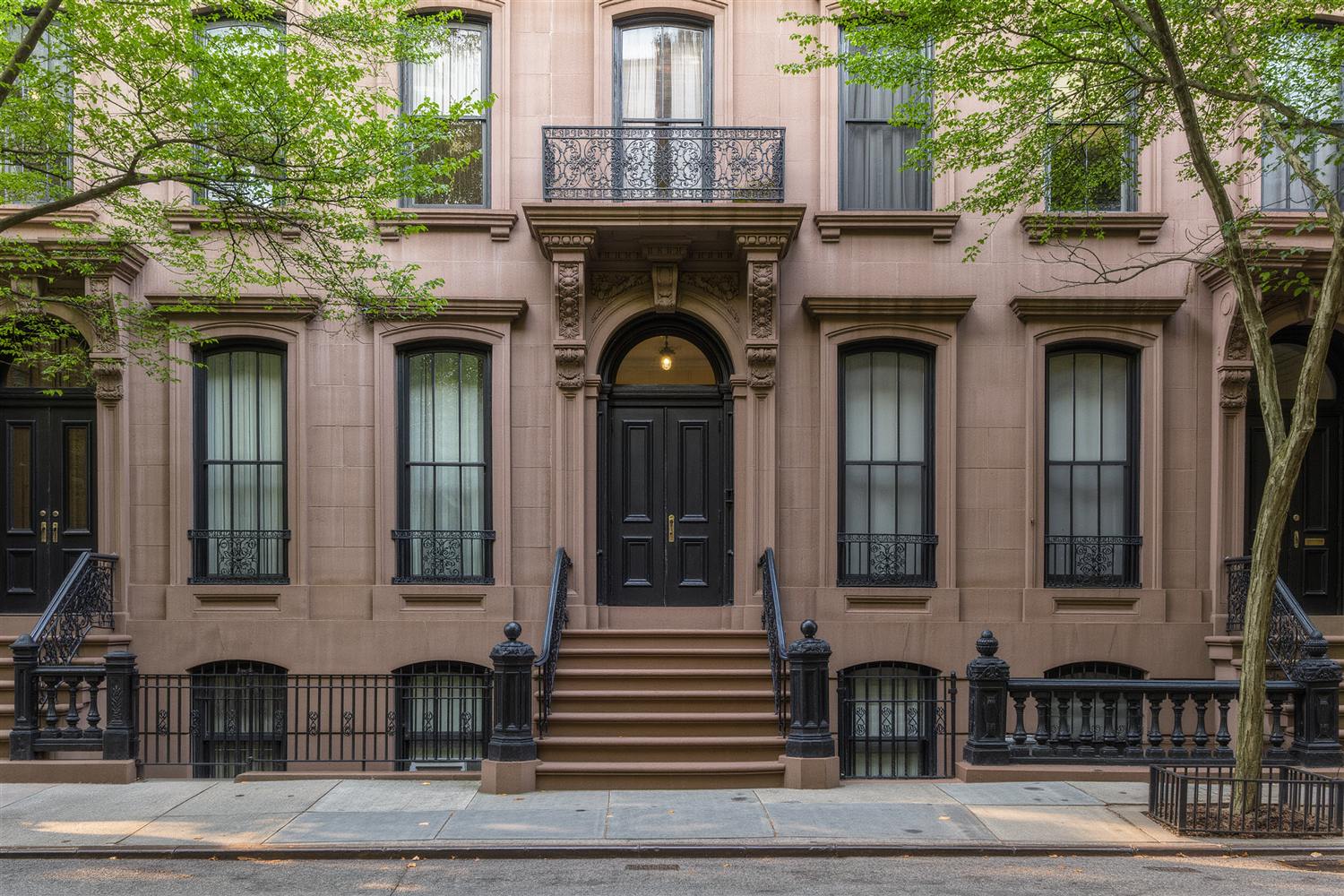
Brooklyn also has co-op apartments in pre-war elevator buildings, and condos in newer construction. Each has its own alteration rules, so the scope is written to fit the building's requirements. For owners of a whole house, the work can be sequenced across floors, starting where the mechanicals and the largest changes sit, and keeping the floors that are not under construction protected.
The outcome we plan for is a house or apartment that keeps its character and works as a modern home: plaster repaired, floors refinished or relaid, a kitchen on the garden level with a clear path to the yard, bathrooms with a tested shower pan, and trim and paint finished cleanly.
A Brooklyn house project begins with a walkthrough from the cellar to the top floor. We note the stair, the plaster, the floors, the trim and the mechanicals, and we mark what is original and worth keeping. The scope then runs floor by floor, usually starting with demolition and rough systems, then plaster and drywall, then floors and tile, and finally cabinets, trim and paint. Protection goes down on the stair and in the hall so that finished floors are not damaged by later work. Because the houses are old, expect to find surprises behind plaster and under floors. We record what we find, adjust the scope in writing and keep the owner informed, so that changes are decisions and not accidents.
Neighborhoods and landmarks
Brooklyn Heights, ZIP code 11201, has brownstone rowhouses as its most common form, along with mansions on Pierrepont Street and Pierrepont Place. It has over 600 pre-Civil War houses, one of the largest concentrations in the country, and its historic district was designated in 1965 as the first in the city. Brownstone, or Jersey freestone, was the dominant building material.
Park Slope sits in ZIP codes 11215 and 11217, divided by Union Street. Its side streets hold brownstone and rowhouse blocks, with six- to eight-story apartment buildings and large Victorian mansions on Prospect Park West. Much of the neighborhood is in the Park Slope Historic District, designated in 1973 and expanded in 2012 to 2,575 buildings across about 40 blocks. Many of its rowhouses were converted from rooming houses to single- and two-family homes starting in the late 1960s.
Kensington, in ZIP code 11218, mixes brick rowhouses, detached one-family Victorians and apartment buildings, with pre-war brick apartment buildings along Ocean Parkway and Coney Island Avenue, many of them co-ops. Ditmas Park, near Cortelyou Road, has large free-standing single-family houses with gables and front porches built between 1902 and 1914; it became a New York City landmark district in 1981.
Permits and approvals in Brooklyn
- The Department of Buildings states that most construction in New York City requires approval and permits, and some job filings must be submitted online in DOB NOW: Build.
- In Brooklyn Heights, Park Slope and Ditmas Park, the Landmarks Preservation Commission's permit guide covers exterior elements such as windows and doors, so check with the Commission before changing anything visible from the street.
- New York City requires a Home Improvement Contractor license, issued by the Department of Consumer and Worker Protection, for residential improvement work.
Sources: [1] nyc.gov [2] nyc.gov [3] nyc.gov [4] nyc.gov
Every floor, in Brooklyn
Townhouse Renovation
Stair halls, parlor floors and top-to-bottom work on row houses.
Top floorDrywall and Painting
Sheetrock, taping, skim coats and paint that stays smooth.
Third floorBathroom Remodeling
Porcelain and marble tile, waterproofing and new fixtures.
Parlor floorFlooring and Tiling
Wood floors, herringbone patterns and tile set over a flat base.
Garden floorKitchen Remodeling
Cabinets, counters, backsplash and a layout that works.
CellarDemolition
Protected, controlled tear-out and haul-away.
Every floorGut Renovation
Down to the studs and back up as a finished interior.
Questions about renovating in Brooklyn
Can brownstone plaster be repaired instead of replaced?
Often yes. Cracks are routed and filled, loose areas are secured or replaced, and a skim coat leaves a smooth base for paint. Original trim is protected during demolition so it can stay.
Do I need Landmarks approval in a Brooklyn historic district?
The Landmarks Preservation Commission's permit guide covers exterior elements such as windows and doors. Brooklyn Heights, Park Slope and Ditmas Park are historic districts, so check with the Commission before any change visible from the street.
What is different about renovating a divided brownstone?
Floors share plumbing stacks and sound, so work on one apartment can affect the one above or below. A walkthrough of the whole house at the start sets the order of work.
How do co-op rules affect a Brooklyn renovation?
Co-ops, including the pre-war buildings along Ocean Parkway, typically have their own alteration rules. Ask your managing agent for them in writing before the scope is final.
Which Brooklyn neighborhoods do you quote in?
All of Brooklyn, including Brooklyn Heights in ZIP code 11201, Park Slope in 11215 and 11217, Kensington in 11218 and Ditmas Park around Cortelyou Road.
Can I restore an old wood floor instead of replacing it?
If the boards are solid wood with enough thickness left, refinishing brings back the original look. Damaged or cupped boards are replaced, and the new boards are blended in.
Do Brooklyn homes need lead-safe practices?
The median year Brooklyn homes were built is 1942. For a home built before 1978, the EPA recommends hiring a lead-safe contractor trained in lead-safe work practices before sanding, cutting or replacing windows.
Sources: [1] censusreporter.org [2] en.wikipedia.org [3] en.wikipedia.org [4] en.wikipedia.org [5] en.wikipedia.org [6] en.wikipedia.org [7] en.wikipedia.org
Other boroughs
Find the office
Ready to renovate in Brooklyn?
Send the rooms, the neighborhood and what you want to change. We will reply by email with the next step.