CCellar
Interior Demolition in New York
Protected, controlled tear-out of walls, floors, cabinets and fixtures, so the building is clean and ready for the rebuild.
Demolition is the first step of most renovations and the one that sets the pace for everything after it. In a New York building it is also the one that affects the most neighbors, because noise, dust and debris travel through shared walls, stairwells and elevators. Good demolition is quiet where it can be, contained where it must be, and finished with a space that the next trade can walk straight into.
The work begins before anything comes down. Floors, stairs and elevator paths are covered with rosin paper, plywood or protective board. Doorways to unaffected rooms are sealed with plastic, vents are covered, and a dust-control plan is set for the spaces where plaster and drywall will come down. Utilities are located and shut off, and walls are checked before they are opened so that wiring, pipes and gas lines are known.
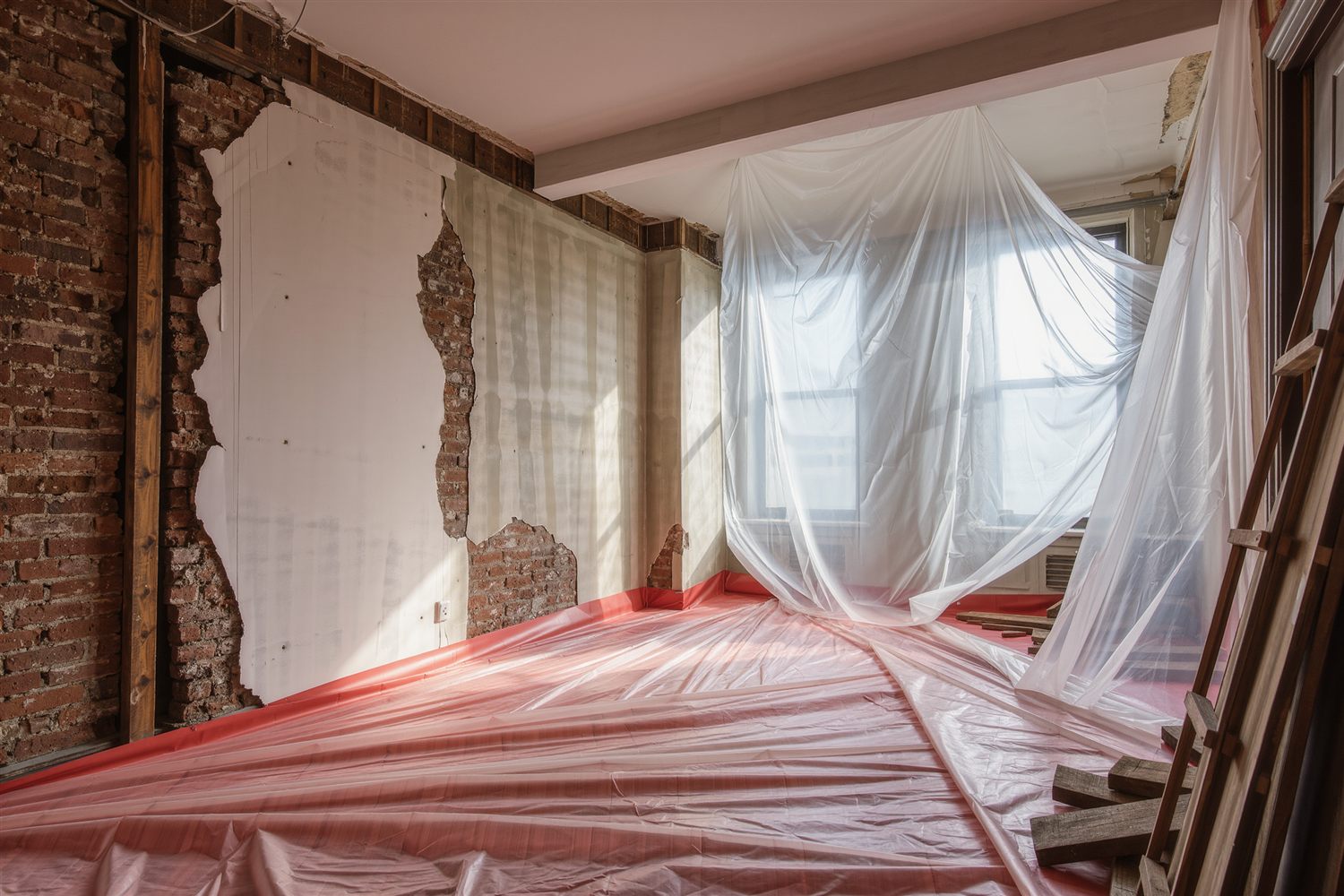
Tear-out proceeds in an order that keeps the work safe: fixtures and cabinets, then finishes, then non-structural walls and ceilings, then flooring. Debris is bagged or carted out in small loads, so that stairs and halls stay clear, and the building's rules for debris removal and working hours are followed. At the end the room is swept, the substrate is exposed and ready for inspection, and any surprises behind the walls are recorded before the rebuild is priced.
What demolition covers
- Cabinets and counters
- Tile and flooring
- Plaster and drywall
- Non-structural walls
- Ceilings
- Fixtures
- Floor protection
- Debris removal
A kitchen tear-out removes cabinets, counters, appliances, backsplash and flooring, and exposes the wall and floor for inspection. A bathroom tear-out takes out the tub or shower, vanity, toilet and tile, and often reveals old waterproofing and wet substrate that has to be replaced. A full interior demolition removes finishes throughout an apartment or a floor of a house and leaves bare framing, masonry and subfloor.
Older buildings carry plaster over wood lath, brick party walls and layers of earlier renovations. Removing plaster creates a lot of fine dust, which is why sealing, negative air and wet methods are used where they fit. Every demolition also uncovers unknowns: abandoned wiring, old plumbing, a stud wall that carries load. Stopping to look before cutting protects the building and the people in it.
Demolition has to be coordinated with the building. Co-ops and condos usually require notice to neighbors, limits on working hours, protection for common areas and a plan for removing debris. Ask your managing agent for the rules before demolition is scheduled, and give the contractor a copy so every worker follows the same plan.
Noise, dust and timing decide how well demolition goes in a shared building. Loud work is grouped into the hours the building allows, and the days are planned so that the debris leaves before the end of each shift. Dust is the larger worry in older buildings where plaster, old paint and layers of earlier finishes come down together, so sealed doors, covered vents and a vacuum on the cutting tools matter. We tell the neighbors on adjoining floors what the work is and when, which turns a source of complaints into a short, known disruption.
After demolition the room is photographed and the exposed conditions are recorded, so the rebuild is priced from what is there, not from what was assumed. That record covers the framing, the wiring, the plumbing runs and the condition of the floor, and it becomes the starting point for the written scope of the rebuild. A clean, documented tear-out lets the next trades start the same day and keeps the project on its schedule.
How the work runs
Survey and plan
We walk the space, mark what comes out and locate utilities, shutoffs and the debris path.
Protect
Floors, stairs, elevators and adjoining rooms are covered, sealed and signed off.
Tear out
Fixtures, finishes and non-structural walls come down in order, with debris removed in small loads.
Clean and inspect
The space is swept and the exposed framing, wiring and plumbing are recorded for the rebuild.
Before work starts
- The Department of Buildings states that most construction in New York City requires approval and permits from the Department of Buildings. Confirm what your demolition scope needs before work starts.
- For a home built before 1978, the EPA recommends hiring a lead-safe contractor trained in lead-safe work practices, because sanding, cutting and window replacement can disturb lead-based paint.
- New York City requires a Home Improvement Contractor license, issued by the Department of Consumer and Worker Protection, for residential improvement work.
Sources: [1] nyc.gov [2] epa.gov [3] nyc.gov
Questions about demolition
How do you protect the building during demolition?
Floors, stairs and elevators are covered, rooms outside the work area are sealed with plastic, and debris leaves in bags or small loads so common areas stay clear.
What if you find something unexpected behind a wall?
We stop, look and record it. Old wiring, plumbing or a load-bearing stud changes the plan, and the scope and price are updated in writing before work continues.
Does demolition need a permit?
The Department of Buildings says most construction in New York City requires approvals and permits. Confirm what applies to your scope and your building before work starts.
How is dust controlled?
Work areas are sealed, vents are covered and dust-producing steps use wet methods and a vacuum where they fit. Rooms are swept at the end of each day.
What should I tell my building?
Give your managing agent the scope, the dates and the contractor's details. Ask for the hours, debris rules and protection requirements in writing.
Where this work is done
The same scope applies in every borough, with the housing stock and the building type setting the details. Pick the borough for the local picture.
Other floors
Ready to plan your demolition?
Send the rooms, the borough and what you want to change. We will reply by email with the next step.